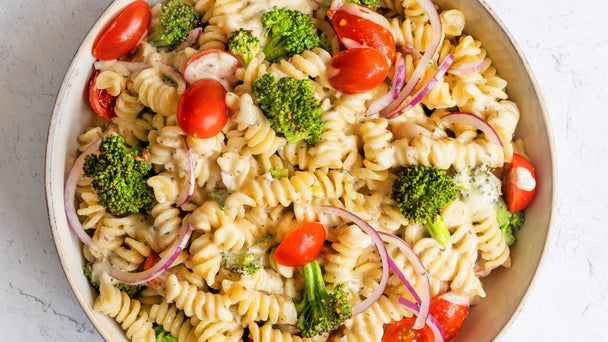
If it seems like all your health-conscious and nutrient-obsessed friends are talking about fiber nowadays, it's because they are! Not that long ago, fiber was only considered good for one thing (if you know, you know). But, as we learn more about gut health and how important it is for whole-body health, people are seeing fiber in a whole new light.
As fiber gets its time in the spotlight, you might be wondering whether it's actually worth all the hype and if you shoud be getting more. We'll break down what fiber is, what it does in the body, where you can find it, and how much you need. Plus, we'll provide some recipes that will support your fiber intake goals with real, delicious foods.
What Is Dietary Fiber?
Dietary fiber is a type of carbohydrate found in plants that your body can’t fully digest—which isn’t a bad thing. Unlike other carbs that break down in the small intestine, fiber moves into the colon where it performs two main jobs:
- Insoluble fiber adds bulk and keeps things moving.
- Soluble fiber absorbs water and forms a gentle gel that slows digestion.
Certain fibers also act as food for the microbes living inside your digestive tract. More specifically, gut microbes ferment the fibers, producing compounds that support gut and metabolic health.
Why Fiber Matters
Fiber works quietly but powerfully. It helps keep digestion regular, supports steady blood sugar after meals, and helps you feel satisfied longer. Adding fiber to carb-heavy meals slows digestion and smooths energy swings. This simple shift makes meals feel better and last longer.
Importantly, fiber also feeds friendly gut bacteria. A healthy gut has the right balance of "good" or helpful microbes and not too many "bad" or harmful microbes. Without the right balance, you can have a hard time digesting and absorbing nutrients from your food, making hormones (yes, this is one of the functions of the gut), and generally feeling your best.
Fiber helps keep everything working as it should.
What Are Some High-Fiber Foods?
Fiber comes from plants. Load up on:
- Fruits and vegetables (leave edible skins on when safe)
- Beans and lentils
- Whole grains like oats and quinoa
- Nuts and seeds
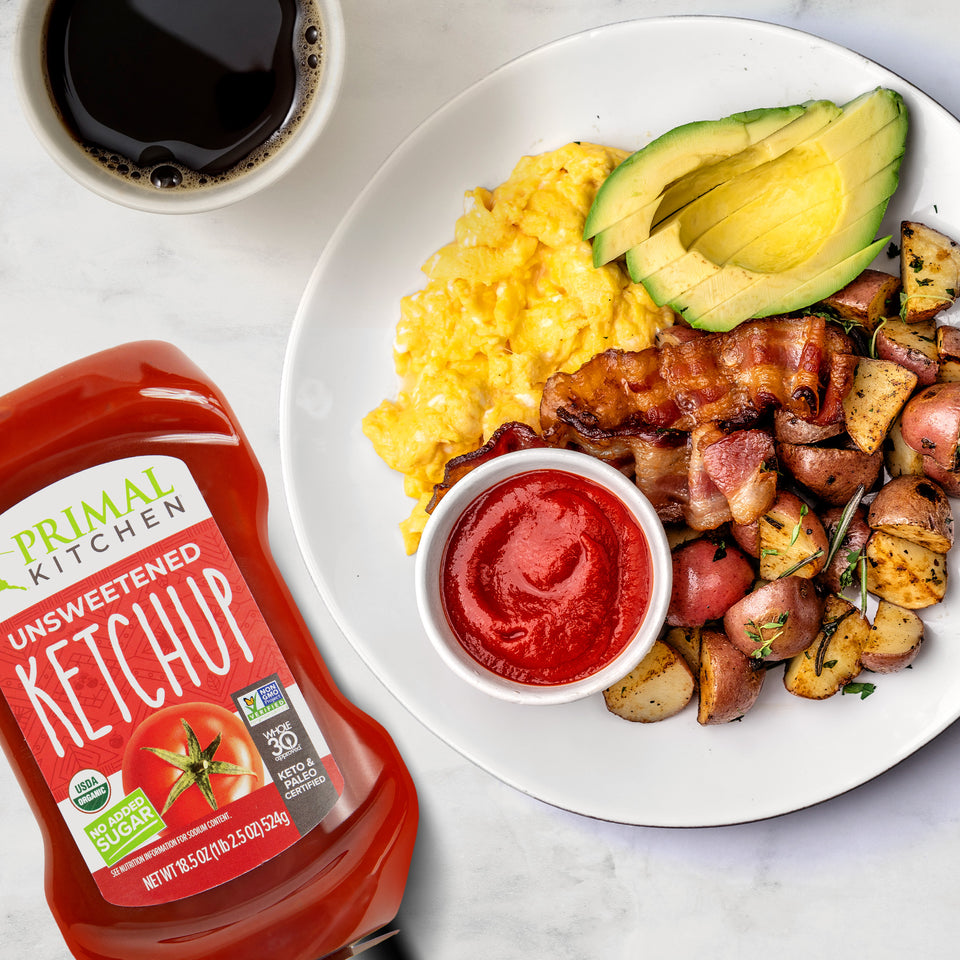
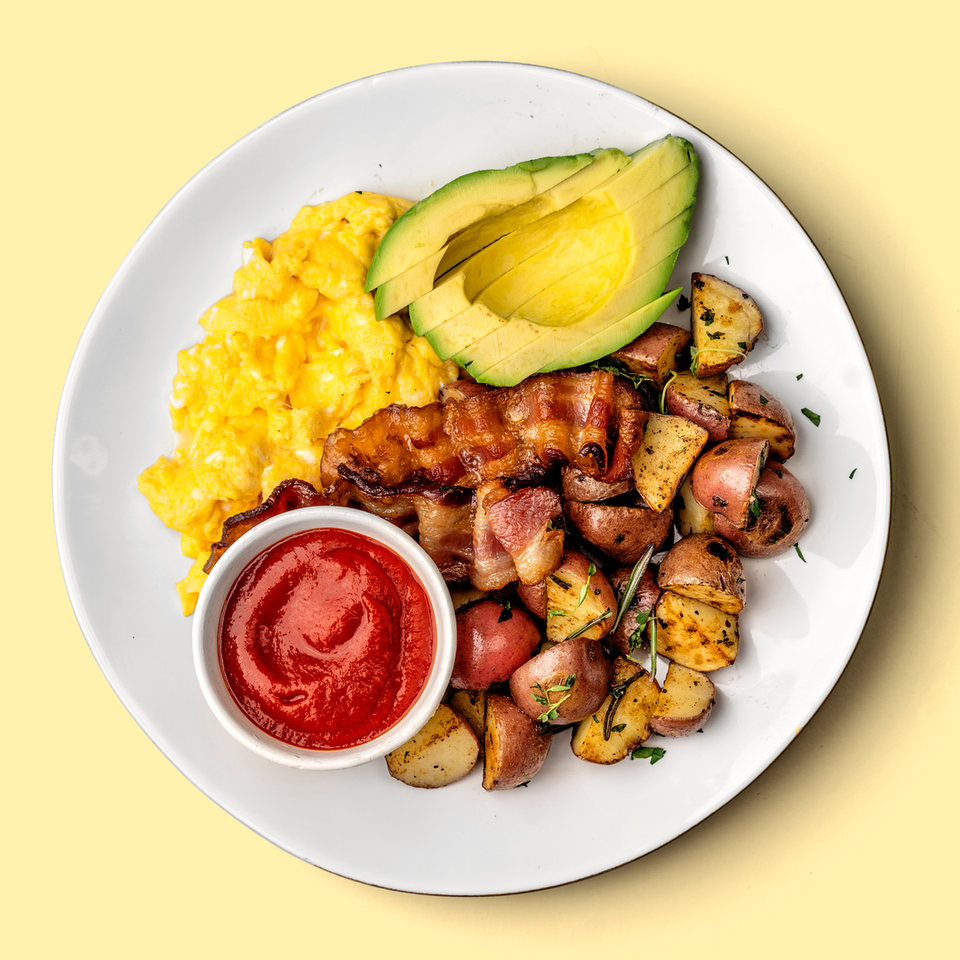
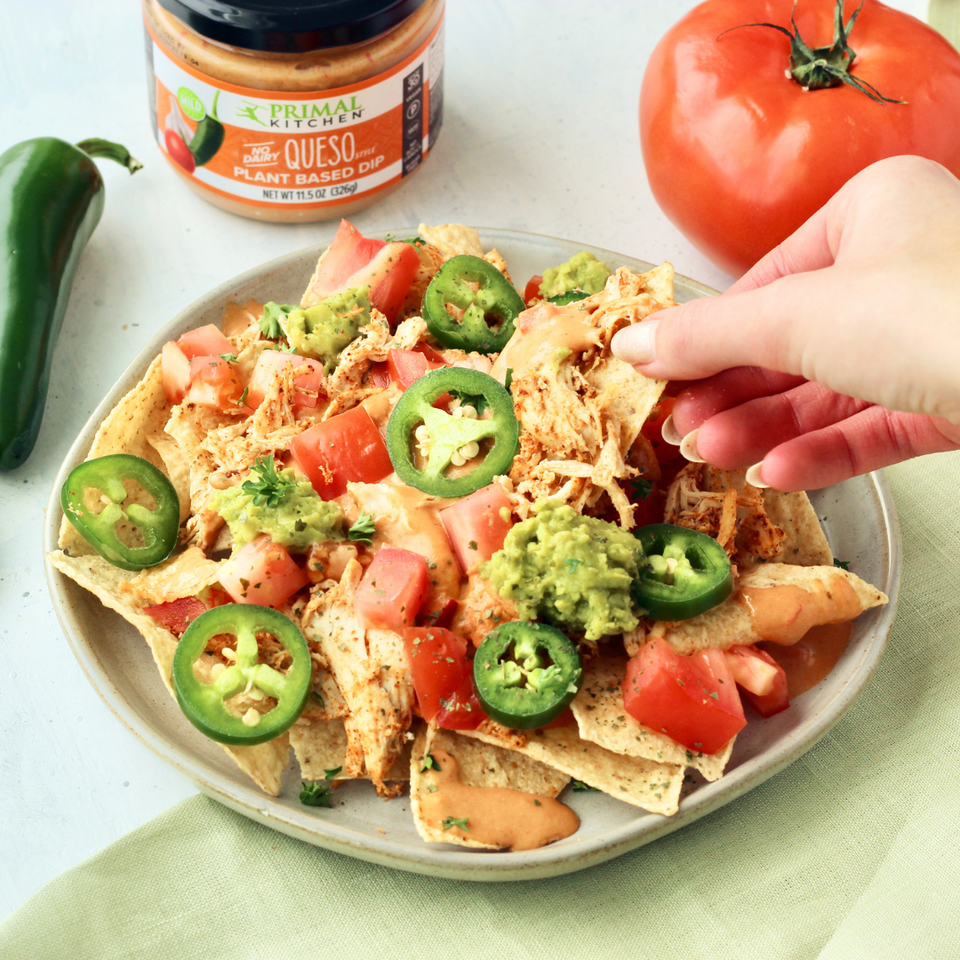
Our personal fave? Avocados! They're delicious and fiber-rich. Pass the guacamole!
How Much Fiber Do You Need? Should You “Fibermaxx”?
Recommended targets are roughly 25 grams per day for women and 38 grams per day for men, though individual needs vary.
“Fibermaxxing” means deliberately maximizing fiber intake across every meal and snack. It's a trending dietary strategy—you might have seen some of your favorite social media influencers trying it—but it's definitely not required or even recommended for everyone.
A more practical, sustainable approach is to aim to get some fiber at each meal and pair it with quality protein and healthy fats. If you're curious about fibermaxxing and it fits your lifestyle, feel free to experiment. Just introduce changes gradually and monitor how you're feeling. Keeping a food journal and tracking your fiber intake will help you find the level at which you feel best.
Tips for Getting More Fiber — without Sacrificing Flavor
Let's be honest. A lot of high-fiber foods aren't all that tasty on their own. Nobody is excited to chow down on a bowl of plain lentils sprinkled with flax seed. Even most vegetables could use a little help in the flavor department. Here are some tips for making fiber intake more exciting:
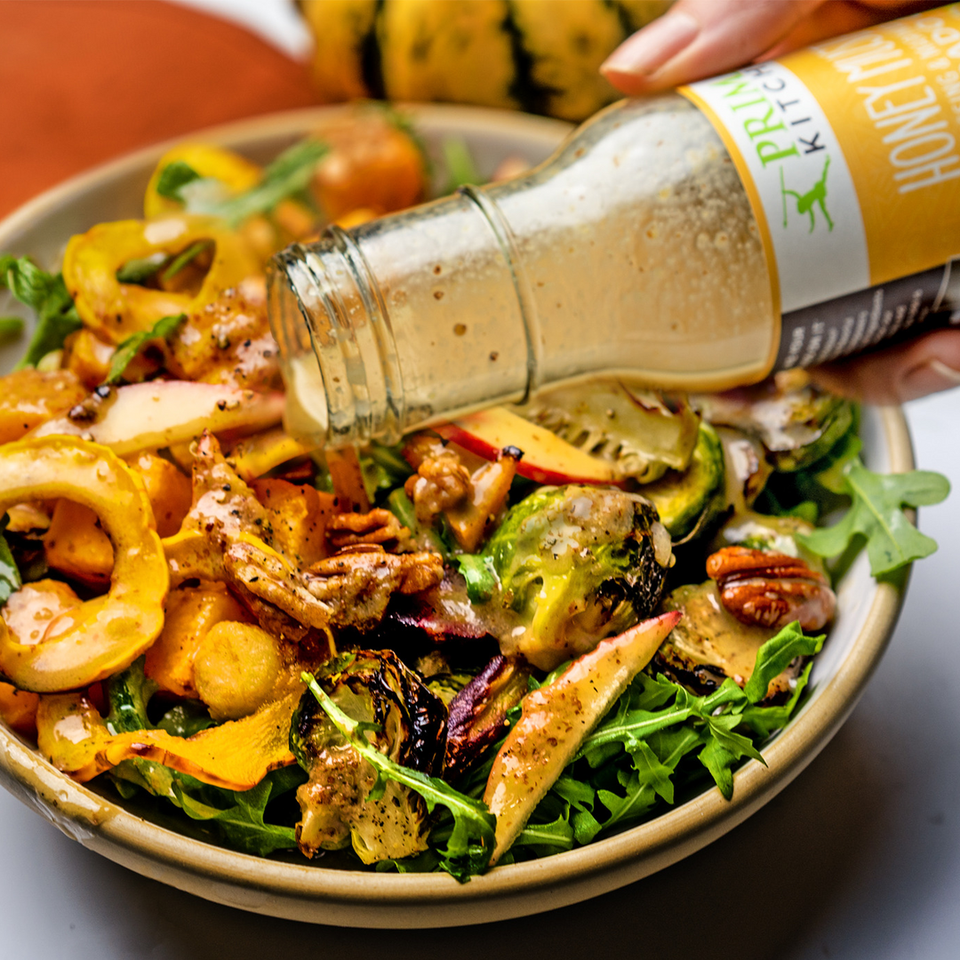
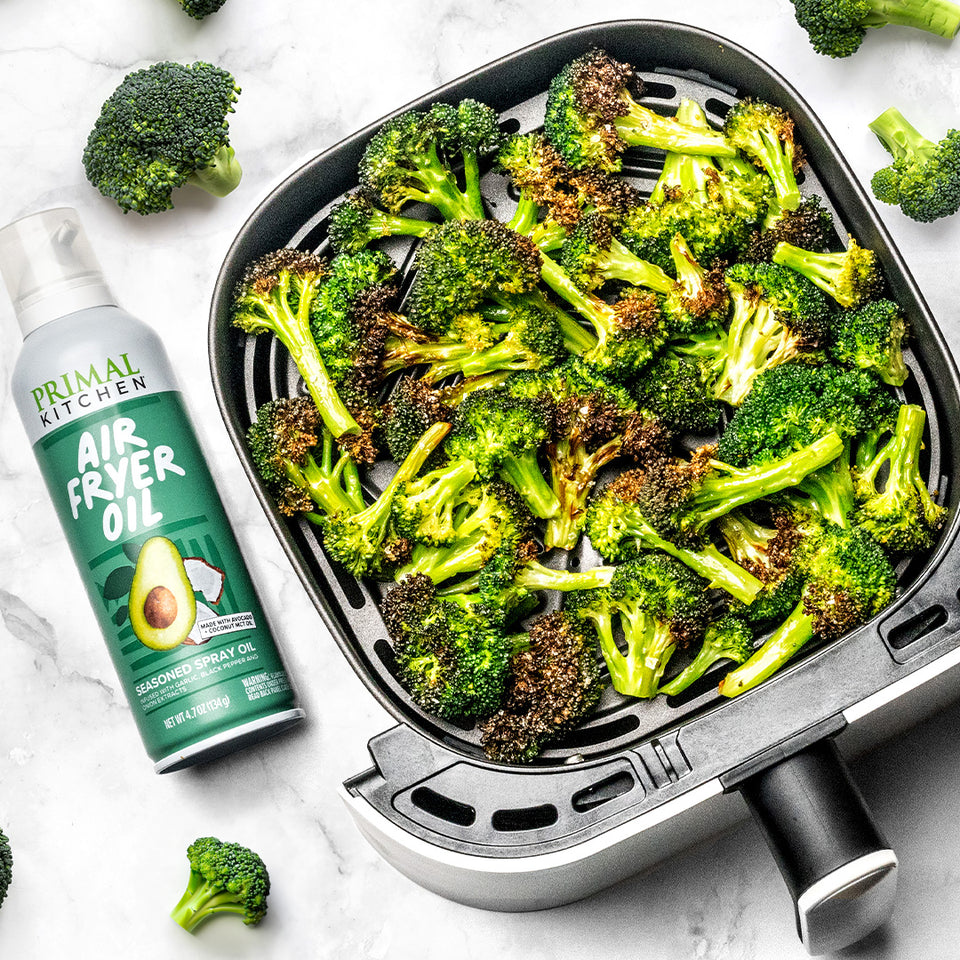
- Roast or sauté vegetables instead of steaming to up the flavor ante.
- Stir chia or ground flax into yogurt, overnight oats, or smoothies. Sprinkle on nuts and seeds for crunch and even more fiber.
- Bulk up protein bowls and salads with beans, lentils, or roasted cruciferous vegetables.
- Swap white rice for quinoa, juice for whole fruit, and refined baked goods for oat- or nut-based options.
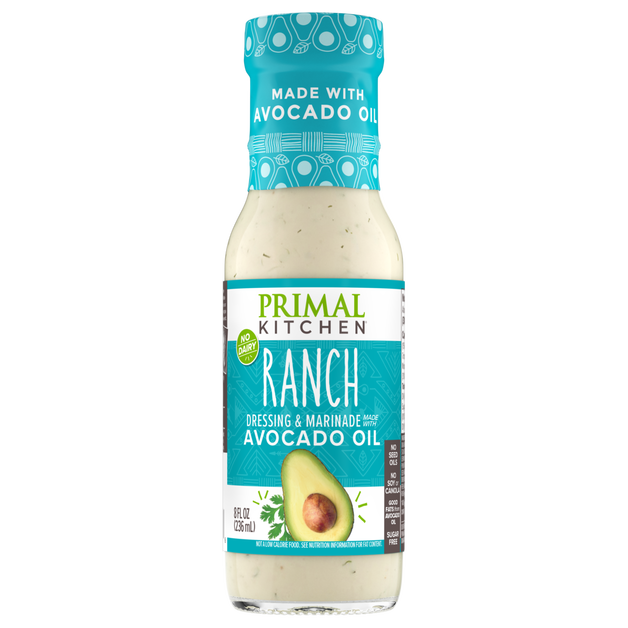
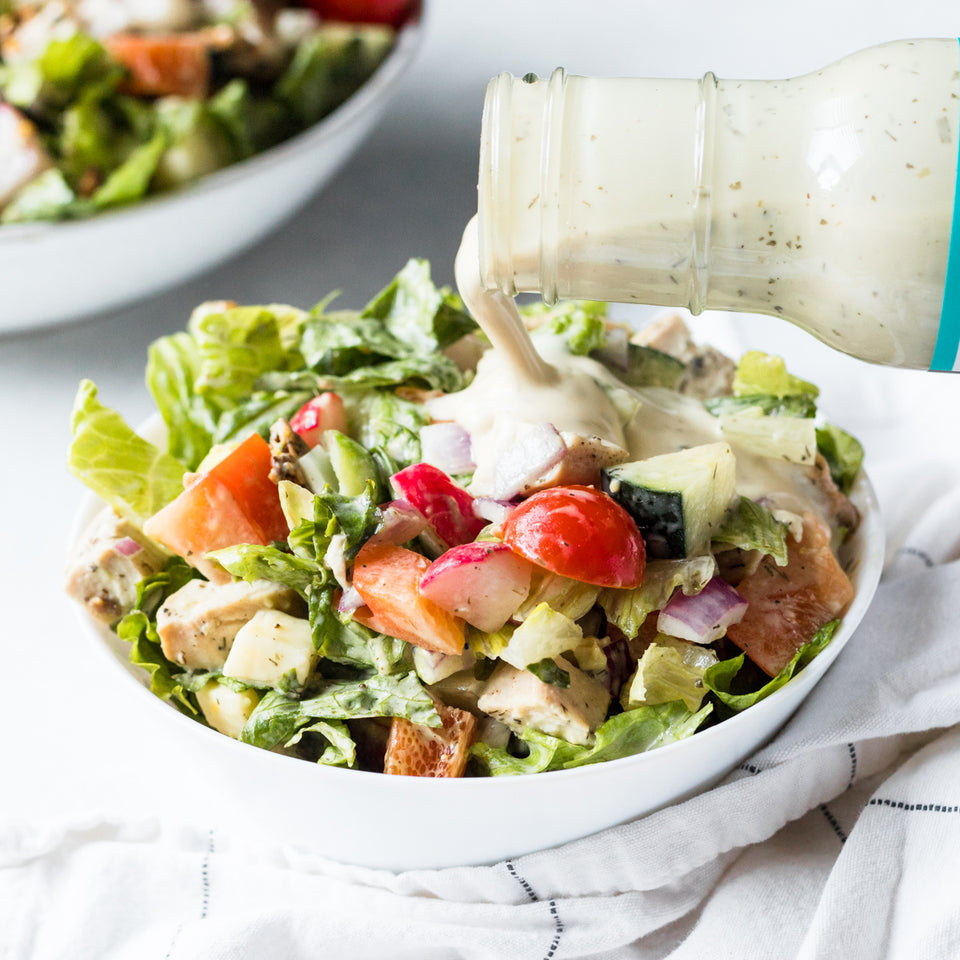
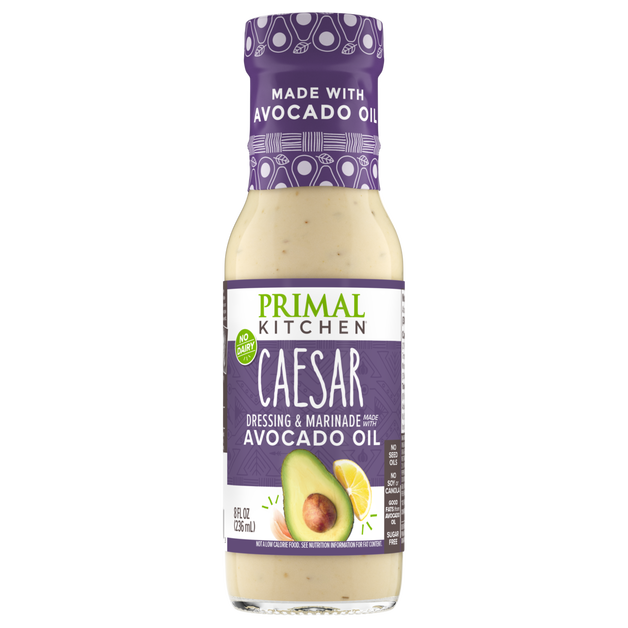
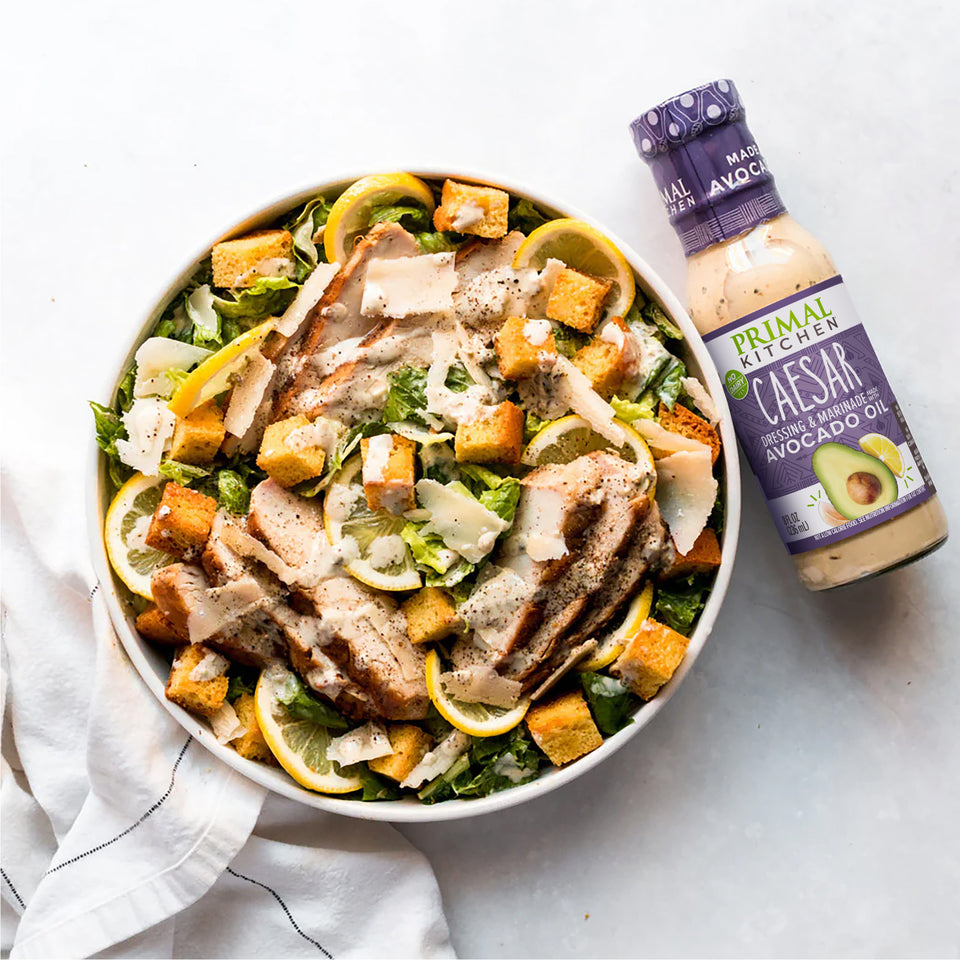
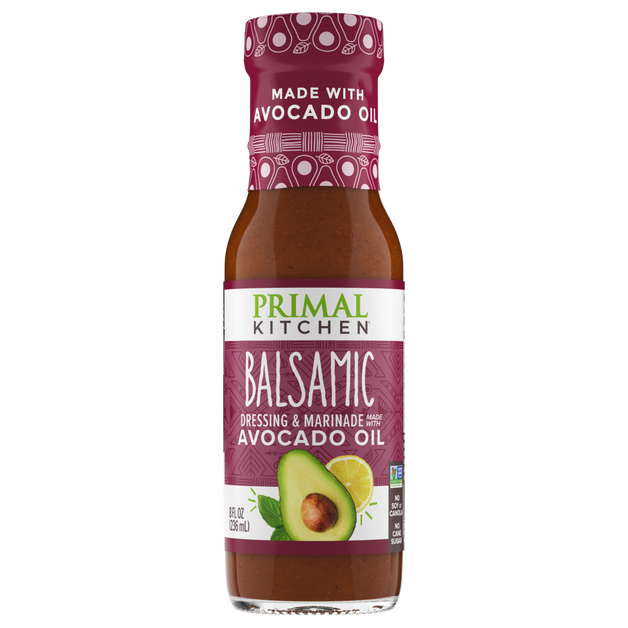
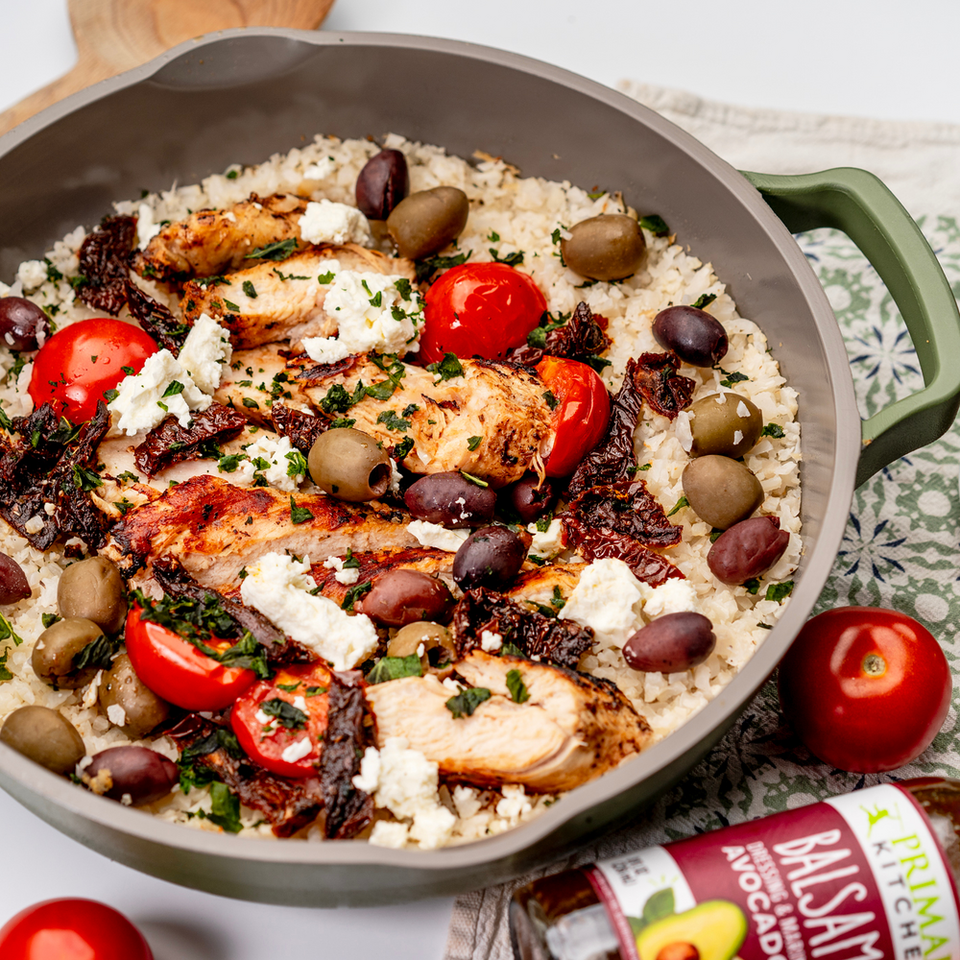
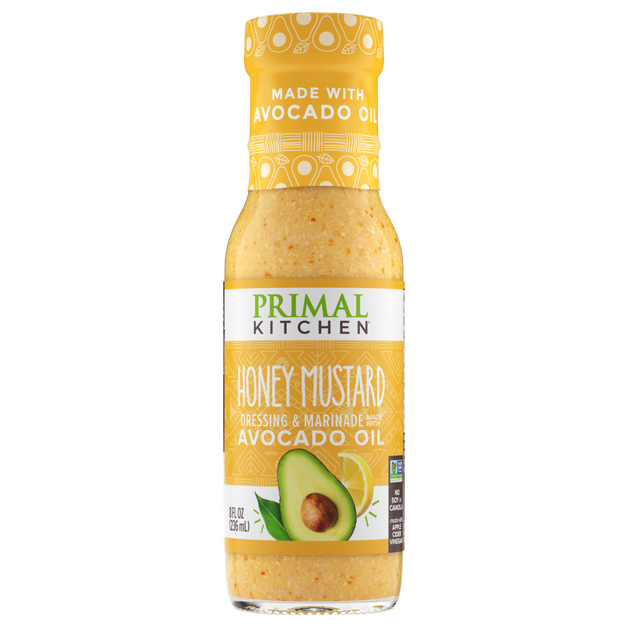
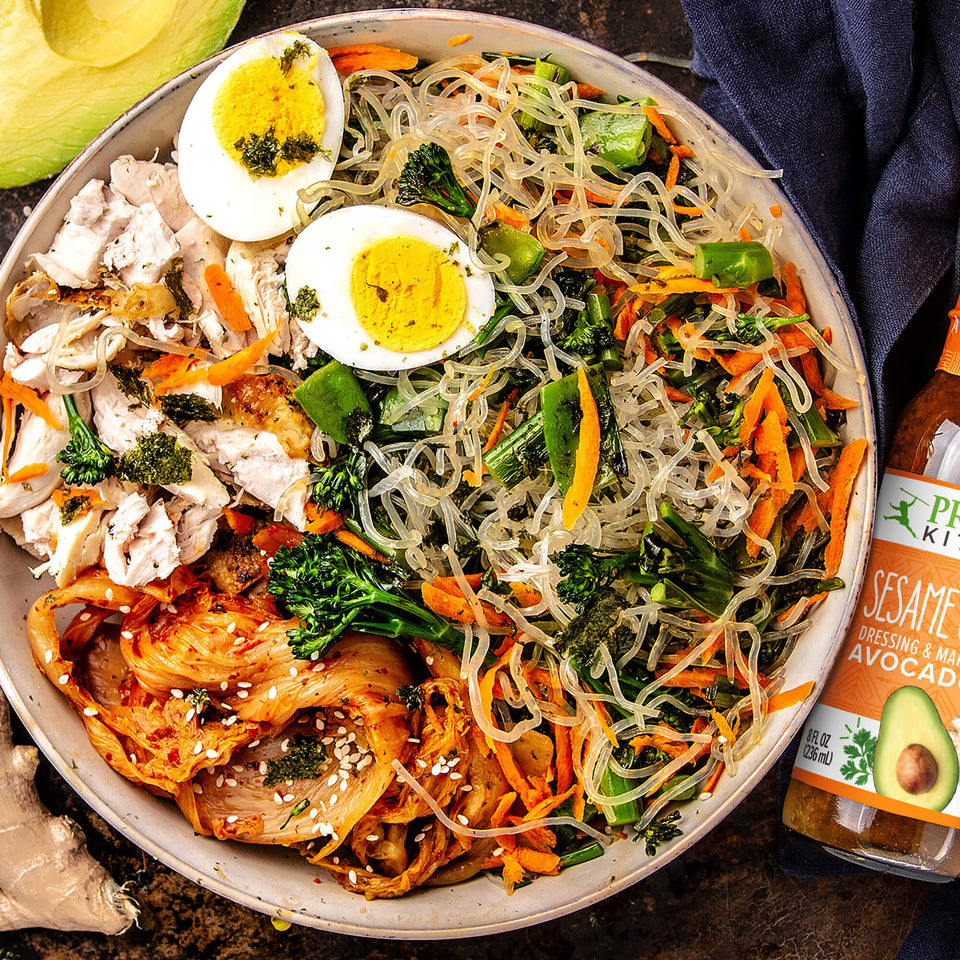
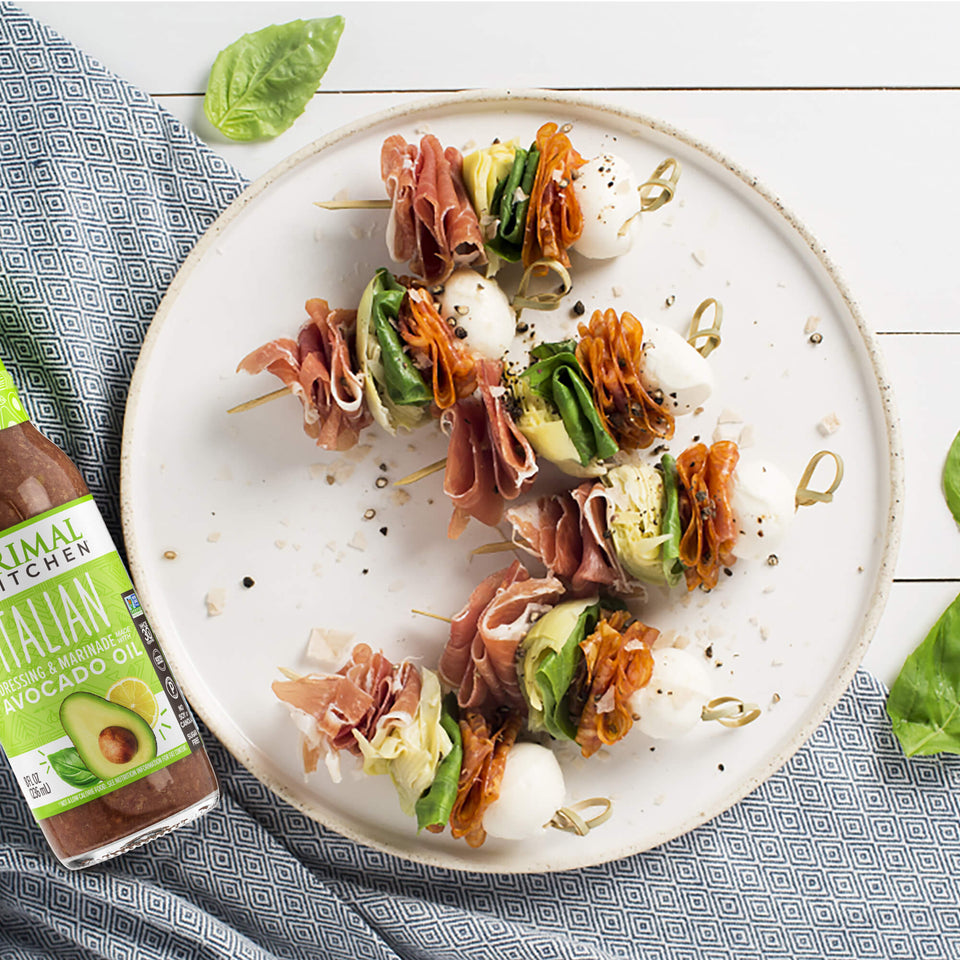
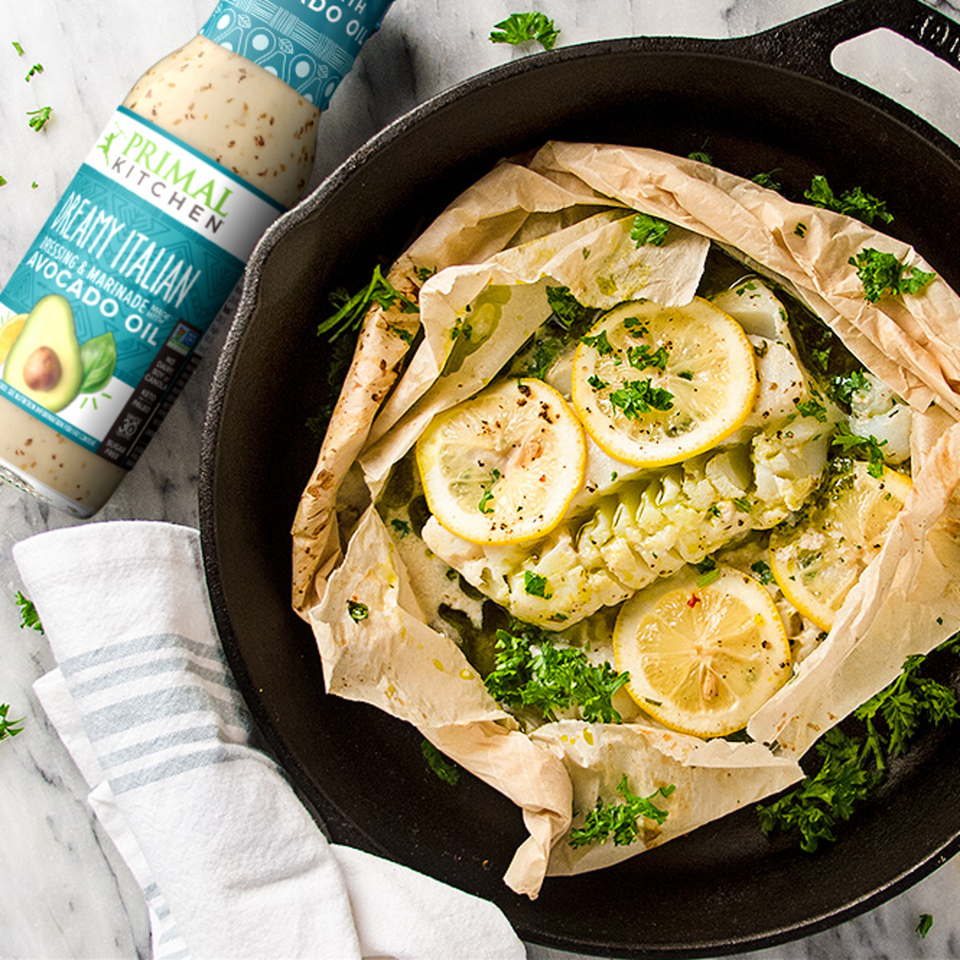
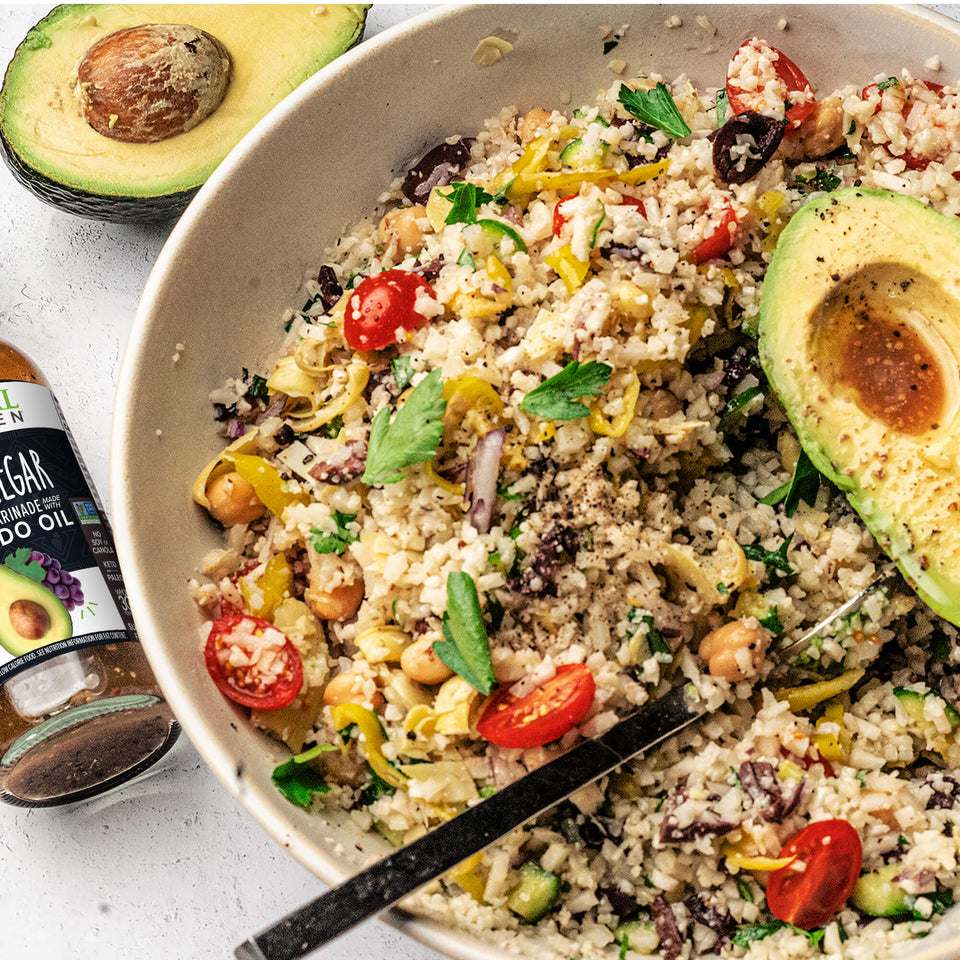
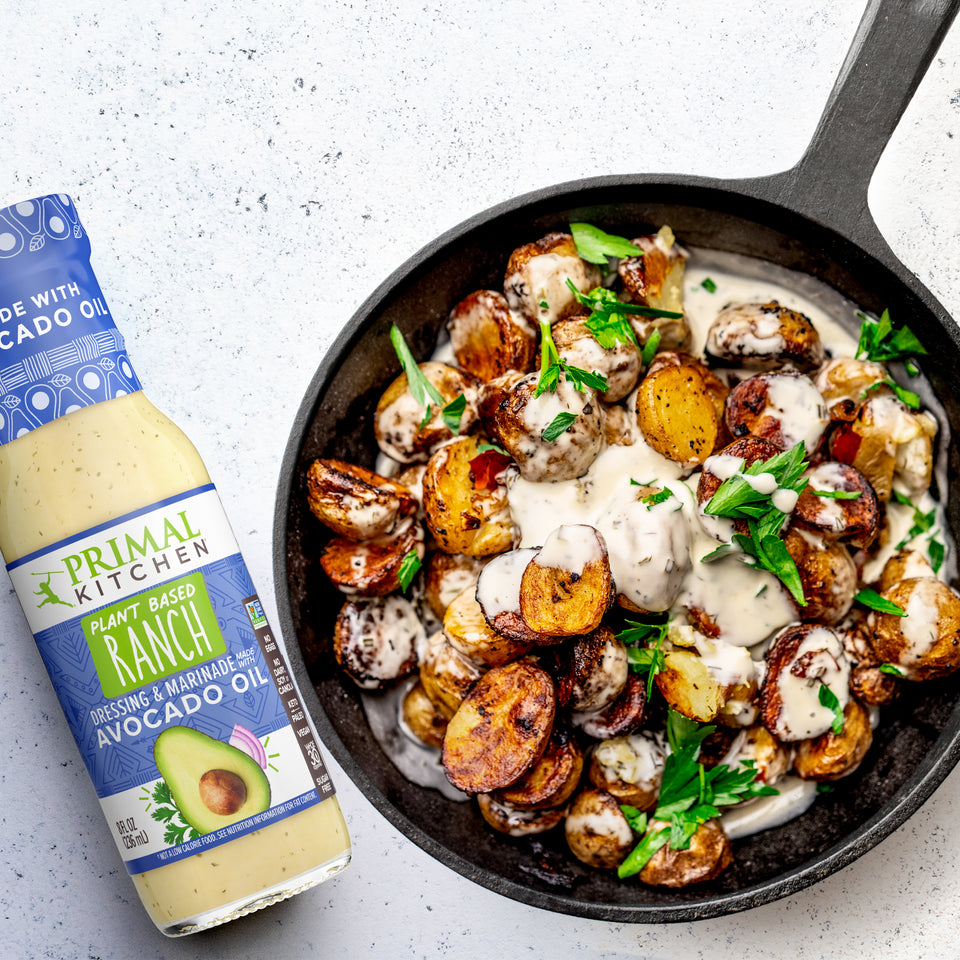
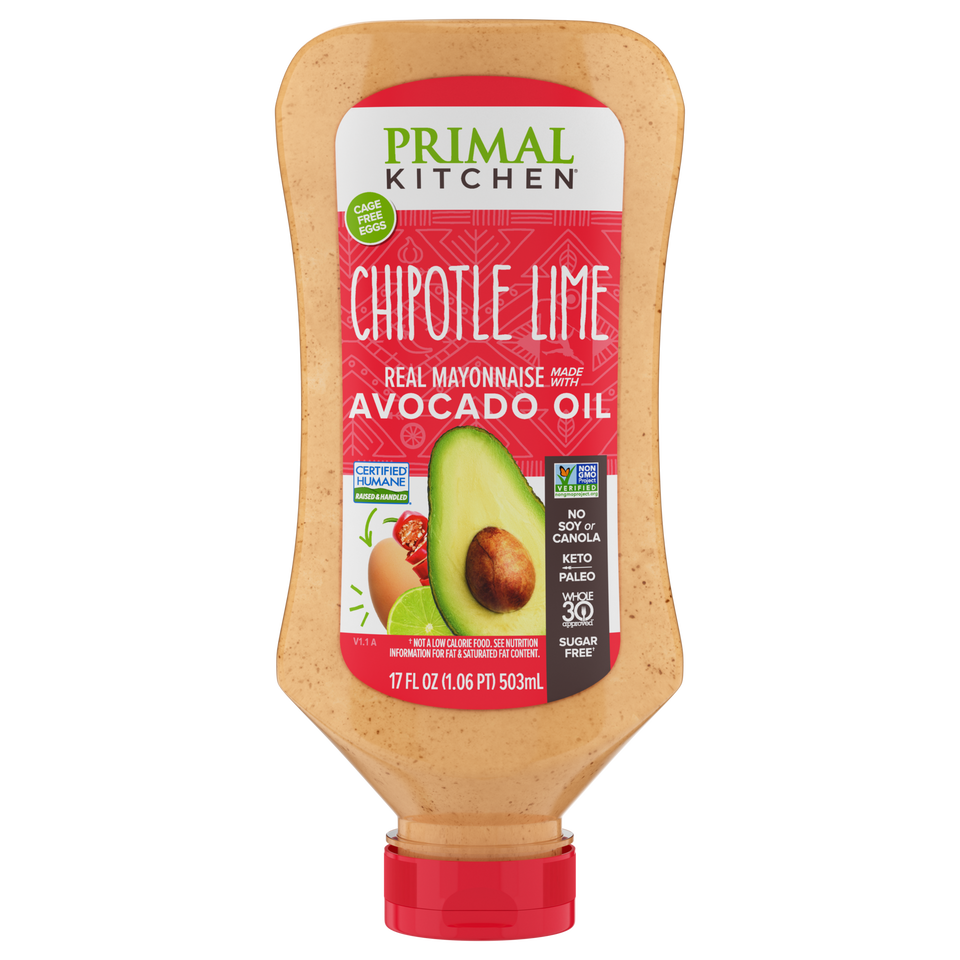
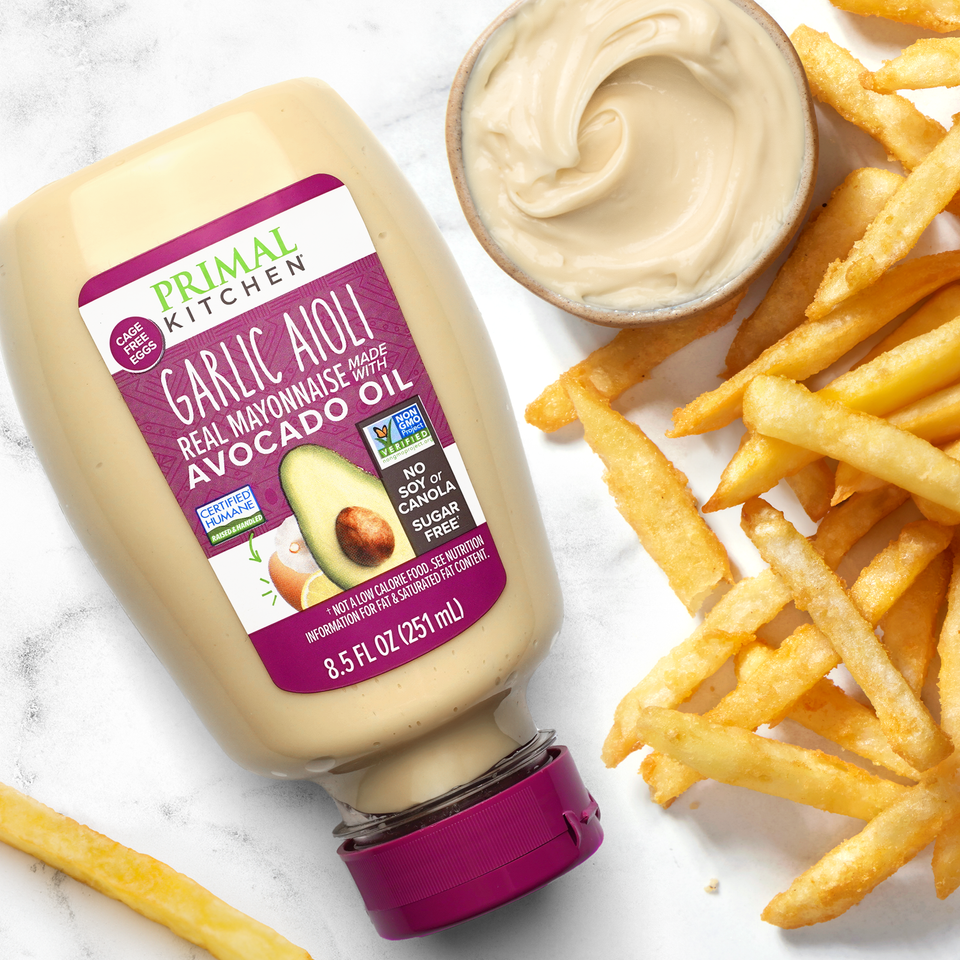
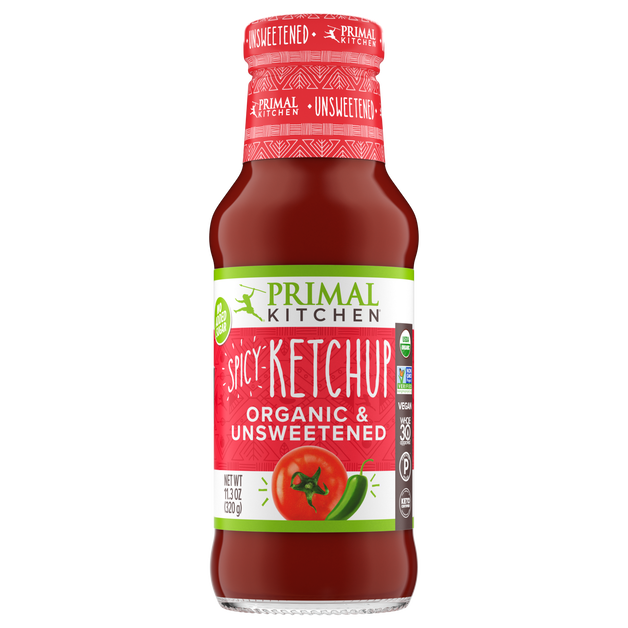
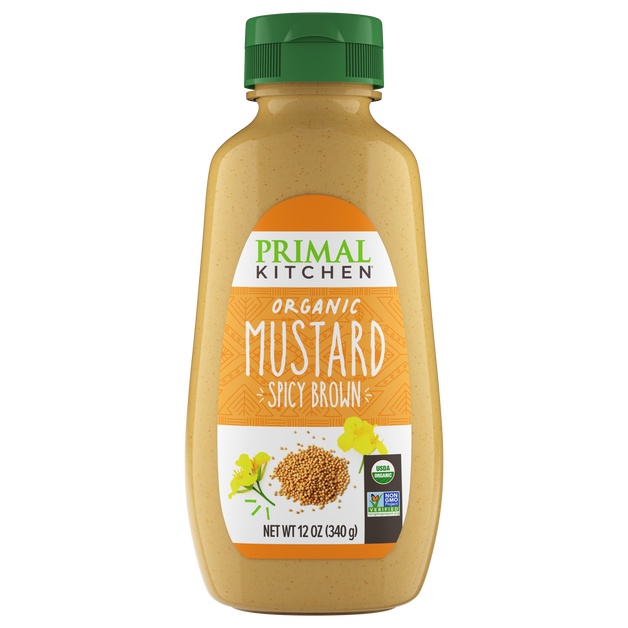
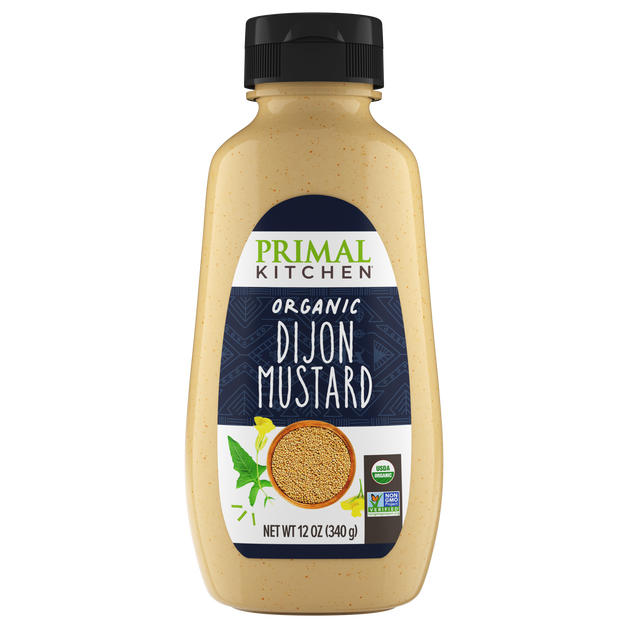
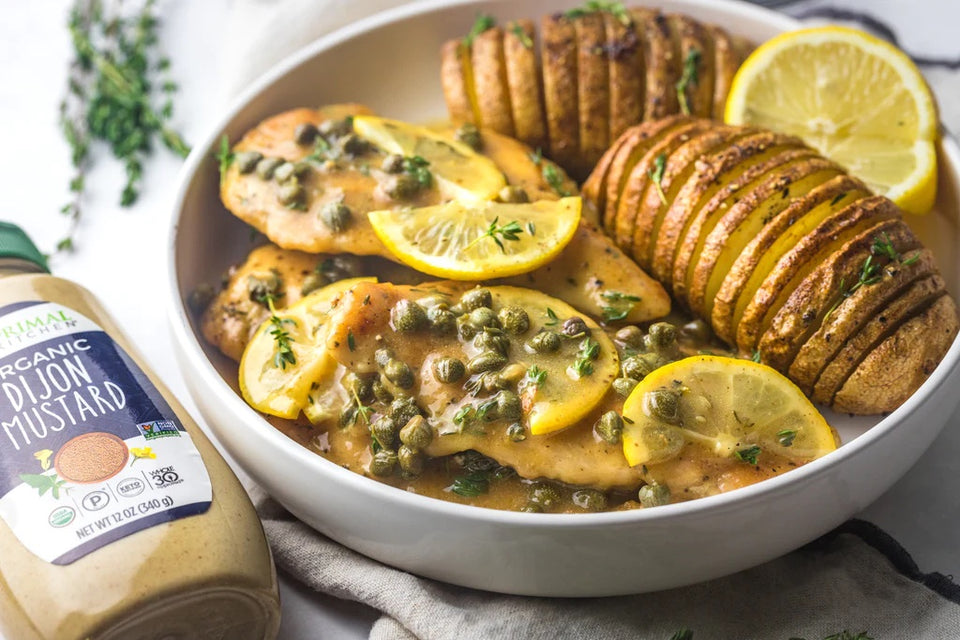
And of course, use Primal Kitchen condiments, sauces, and dressings and marinades to make fiber-forward meals taste amazing. Check out the recipes below for ideas.
Recipes Featuring Fiber All-Stars
Chickpea Recipes
Chickpeas are a staple of Mediterranean and Indian cuisines. Because they have a fairly neutral flavor on their own, they're the perfect vehicle for robust sauces and dressings. Try them in these recipes:
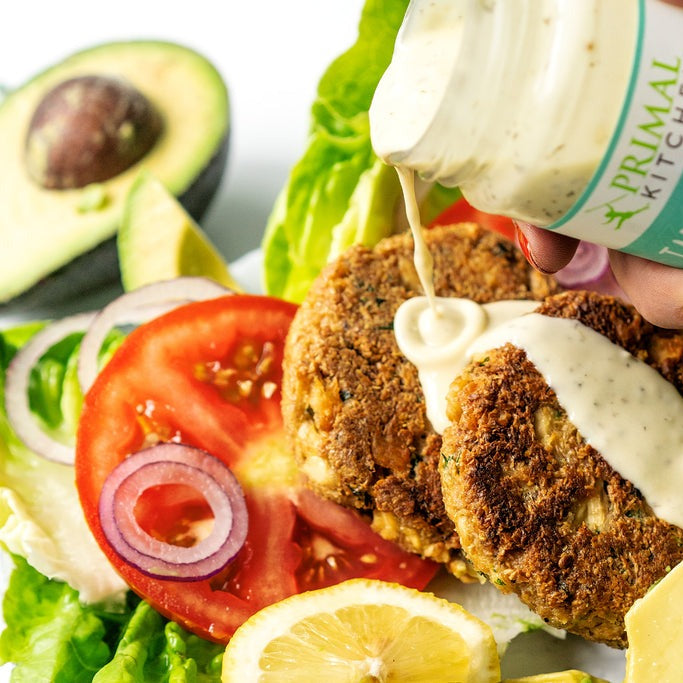
- Buffalo Tuna Salad with Chickpeas
- Vegan Chickpea Salad with Dijon Vinaigrette
- Buffalo Chickpea Salad Sandwich

Bean Recipes
Beans can be boring, but these two recipes prove they can be packed with delicious flavor when you add the right ingredients:

Pasta Recipes
Swap traditional wheat pasta for chickpea or lentil pasta for an easy fiber boost in any of your favorite pasta recipes. Try these tasty dishes made with real ingredients:
- Chickpea Penne with Pesto, Broccoli, and Asparagus
- Chicken Broccoli Alfredo with No-Dairy Alfredo Sauce
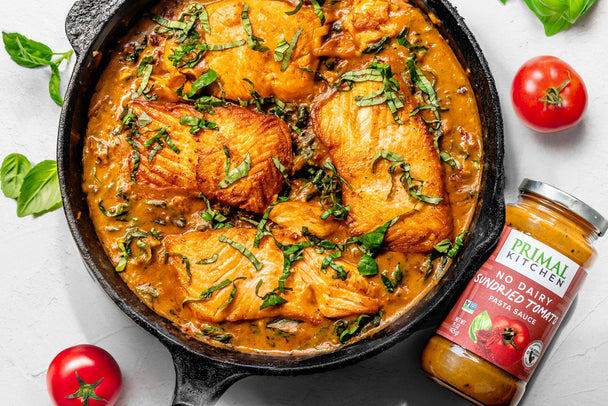
- Baked Feta Cheese Pasta with Sundried Tomato Sauce
- Creamy Ranch Chicken Pasta Salad

Chia Puddings
Chia seeds are an excellent source of fiber, and overnight chia puddings are a great way to meal prep for easy-to-grab breakfast or snack options. We like to combine chia seeds with our Collagen Peptides. Here's a simple formula you can use:
Start with 1/2 cup unsweetened coconut milk (or milk of choice), 2 tablespoons chia seeds, and 1 tablespoon hemp hearts. Place them in a jar with a tight-fitting lid. Then add:
- For a blueberry muffin chia pudding: 1 scoop Primal Kitchen Vanilla Coconut Collagen + 2 tablespoons fresh or frozen blueberries
- For chocolate peanut butter chia pudding: 1 scoop Primal Kitchen Chocolate Coconut Collagen + 1 tablespoon natural peanut butter (you can also add Primal Kitchen Peanut Butter Collagen!)
- For apple pie chia pudding: 1 scoop Primal Kitchen Vanilla Coconut Collagen + 2 tablespoons applesauce + 1/4 teaspoon cinnamon
Seal the jar and give it a good shake, then let it sit in the fridge overnight, and voila, breakfast is served. Optionally top them with fresh blueberries, banana slices, and diced apple, respectively, just before eating.
Also try this Chia Seed Pudding with Butterfly Pea Tea for something totally unique!

Happy eating!