Some parents are blessed with kids who naturally love veggies from the get-go. If you're not one of these lucky few, meal time can become a battle ground as you cajole, beg, and maybe even bribe your kids to take just a few bites of the nutritious offerings you lovingly served up. It's an exercise in frustration for everyone involved and can devolve into a major source of strife at the family table.
Although it might not feel like it, even picky eaters can learn to enjoy, or at least tolerate, vegetables over time. They might not scarf down huge dinner salads any time soon, but with patience and some trial and error, you can help them expand their eating repertoire and alleviate some of your own stress while you're at it.
Here are seven tried and true tips for helping picky kids embrace veggies. While these tips are aimed primarily at younger kids, they work just as well with teens or even adults who struggle with eating their vegetables.
7 Ways to Get Kids (and Adults) to Enjoy Vegetables

1. Start small.
Try serving up small portions—even just a tablespoon or two at a time—and cut the vegetables into small, bite-sized pieces while you're at. Small helpings are less intimidating than a heaping mound of broccoli, and for toddlers and youngsters especially, a few bites eaten across several meals and snacks can constitute a whole serving.
2. Serve the rainbow.
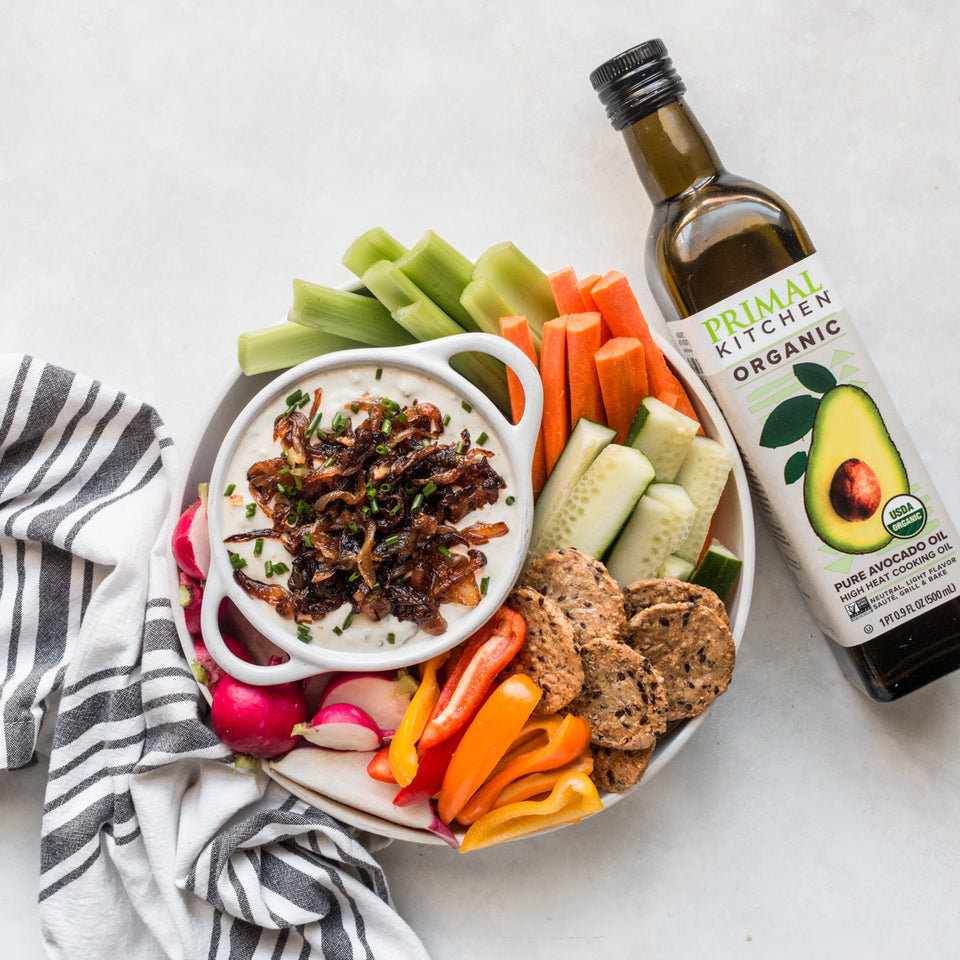
Variety and color keep kids interested. Serve a spoonful of peas alongside a few shreds of purple cabbage, a couple slices of yellow or orange bell pepper, and a handful of berries. Encourage small kids to name the colors as they go. Make it a game to sort similar colors together as they eat.
Pro tip: Bento boxes make it easy and fun to serve up a smorgasbord of fruits and veggies in small portions so kids can choose what they want without getting overwhelmed.
3. Experiment with different cooking techniques.
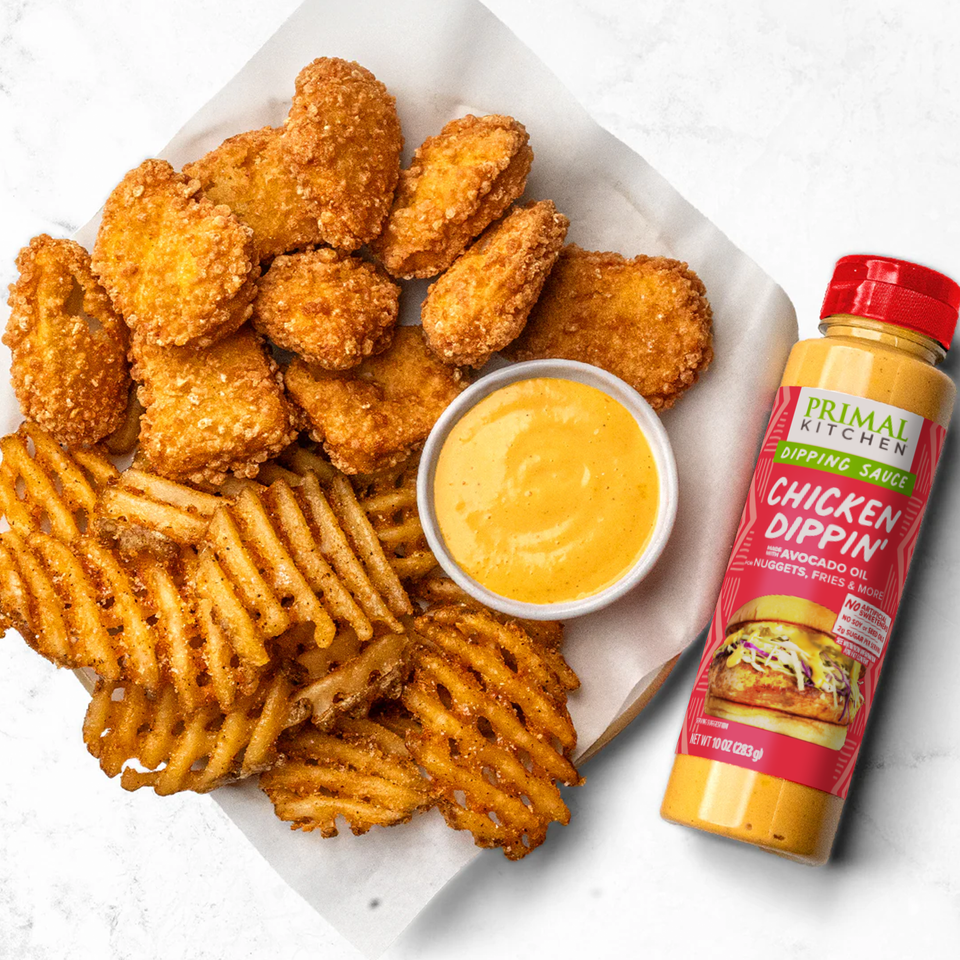
Sometimes it's not just the taste but the texture that kids struggle with. If they reject a particular vegetable raw, try serving it roasted or sautéed instead. An air fryer can work magic for transforming meh veggies into appealing finger foods. If your kiddo won't touch green beans or cauliflower, experiment with lightly coating veggies in an egg wash and gluten-free bread crumbs, then popping them in the air fryer. Serve with ranch dressing.
4. Flavor, flavor, flavor.
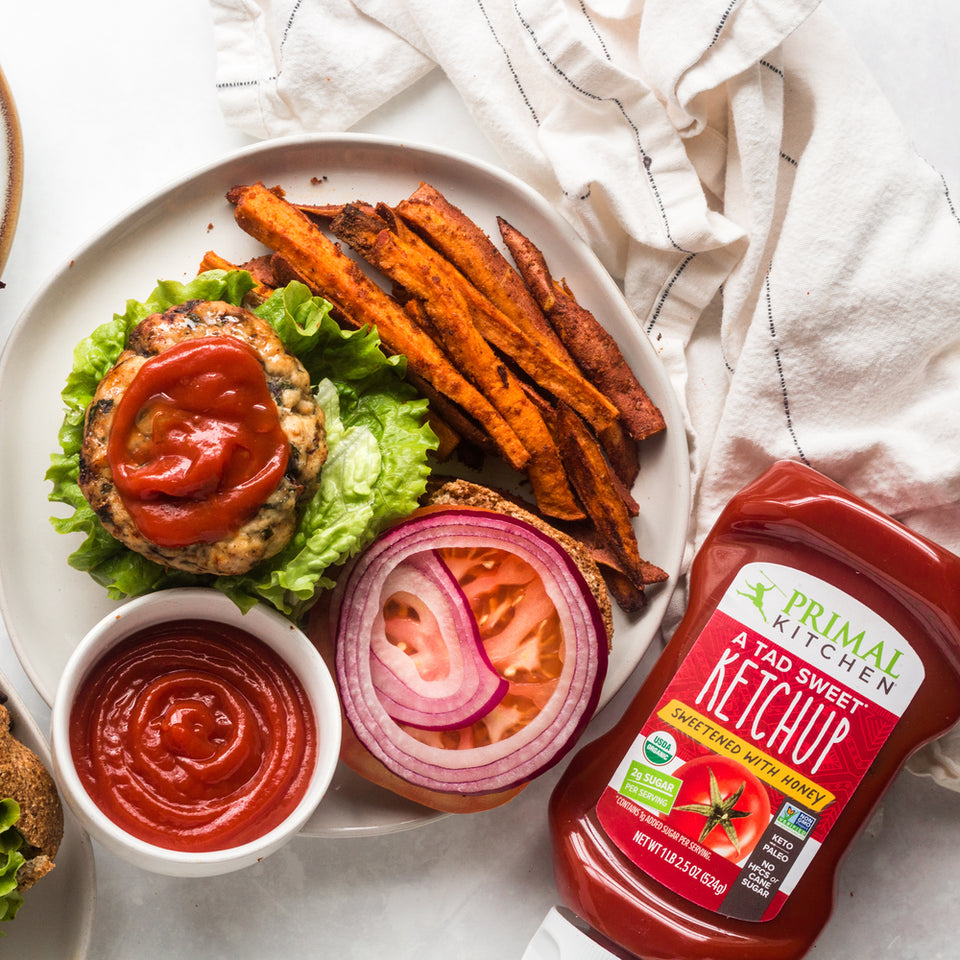
You might appreciate the subtle tang of a cherry tomato or the crunch of celery, but many kids need a bit more motivation. Make veggies more delicious with dressings and dips. Pair cucumber slices with our cool, creamy Buttermilk Ranch made with grass-fed dairy, or hit asparagus spears with a drizzle of Avocado Lime Dipping Sauce. Just because you don't like to dip your broccoli and snap peas in ketchup doesn't mean your kids won't!
5. Have fun with it.
Use vegetable cutters in shapes like stars, dinosaurs, or flowers to bring smiles to little faces and encourage picky eaters to try new foods like sweet potatoes or eggplant. Let them arrange their green beans in the shape of their favorite animal before trying a bite. Make a ratings chart and let the kids rank the veggies they try.
6. Blend and blitz.
Ultimately, the goal is for kids to eat veggies enthusiastically. In the meantime, you can blend leafy greens into smoothies and smoothie bowls. Add cooked carrots, celery, sweet potatoes, squash, or cauliflower into pasta sauce and blitz with a stick blender. That way you can rest easy knowing they are getting important nutrients.
7. Practice what you preach.
This may seem obvious, but if you want kids to eat vegetables without fuss, you need to do the same. Model trying new foods or new recipes, and remember, if you describe certain foods as "gross" or pull a face when you eat it, your kiddo is likely to mirror that reaction.
Keep Calm and Real Food On
Most of all, do your best to keep your cool and avoid battles of will. (We know this is easier said than done sometimes!) Keep calmly presenting vegetable options to your kids, expecting that they may reject these offerings at first. Keep at it. Familiarity breeds acceptance. They may need to be exposed to a new food many times before braving the first bite.
If you're concerned about whether they are getting enough nutrition, talk to their pediatrician. The doctor can help assess their diet and refer you to a pediatric nutritionist if necessary. Chances are, though, that your picky eater just needs a little time and encouragement to broaden their horizons.