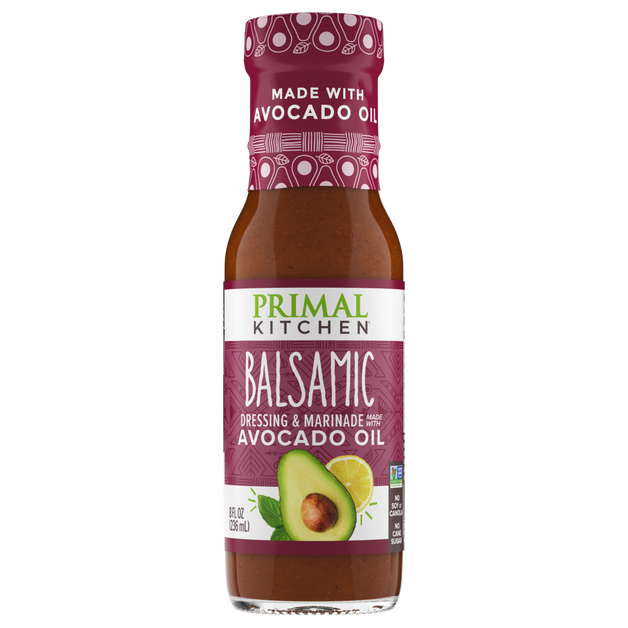
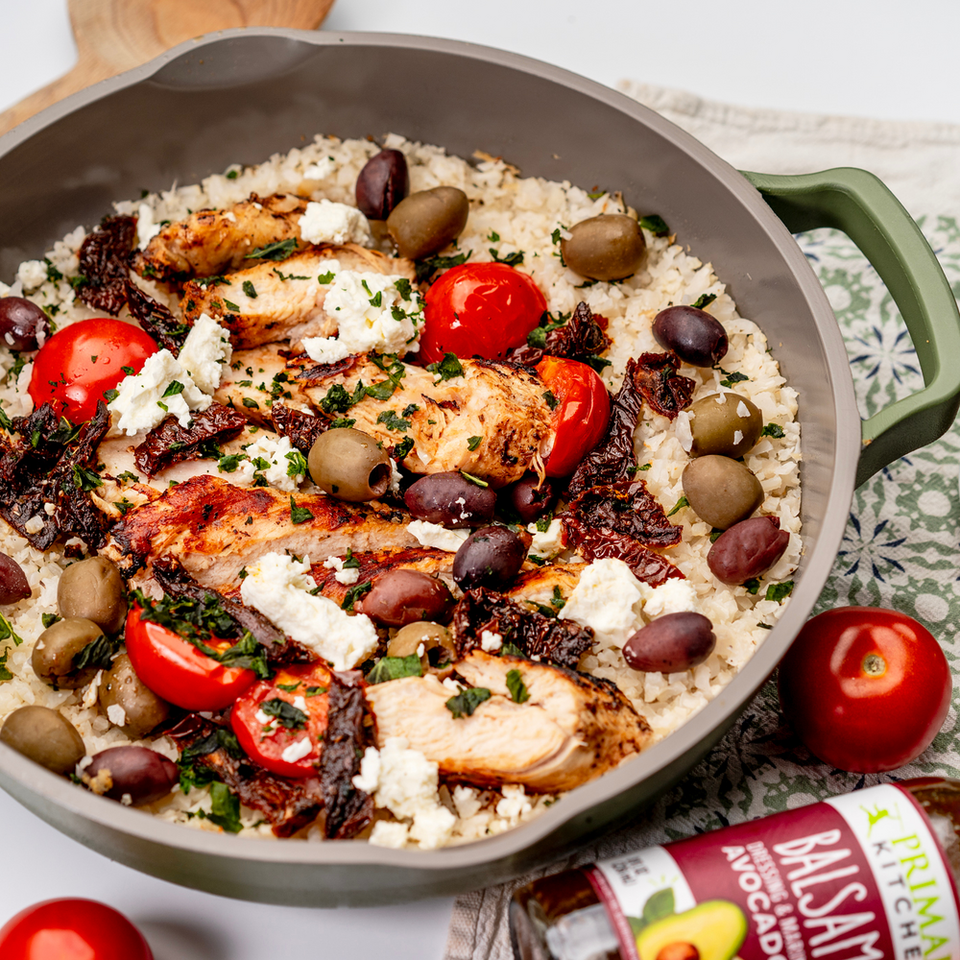
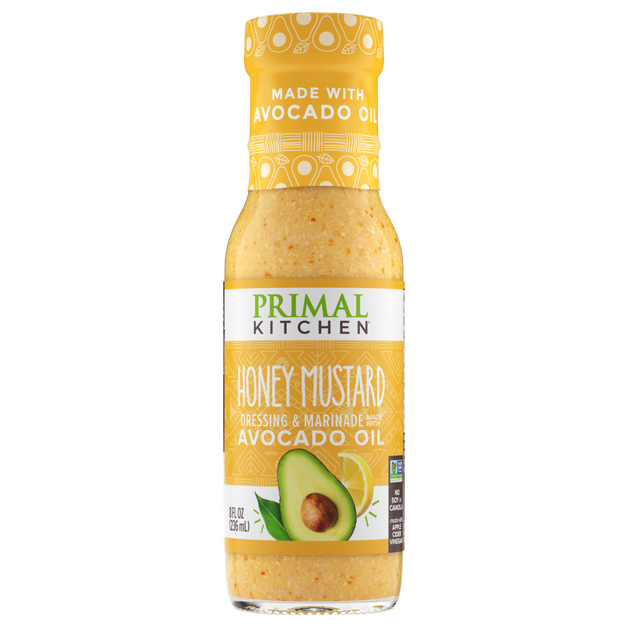
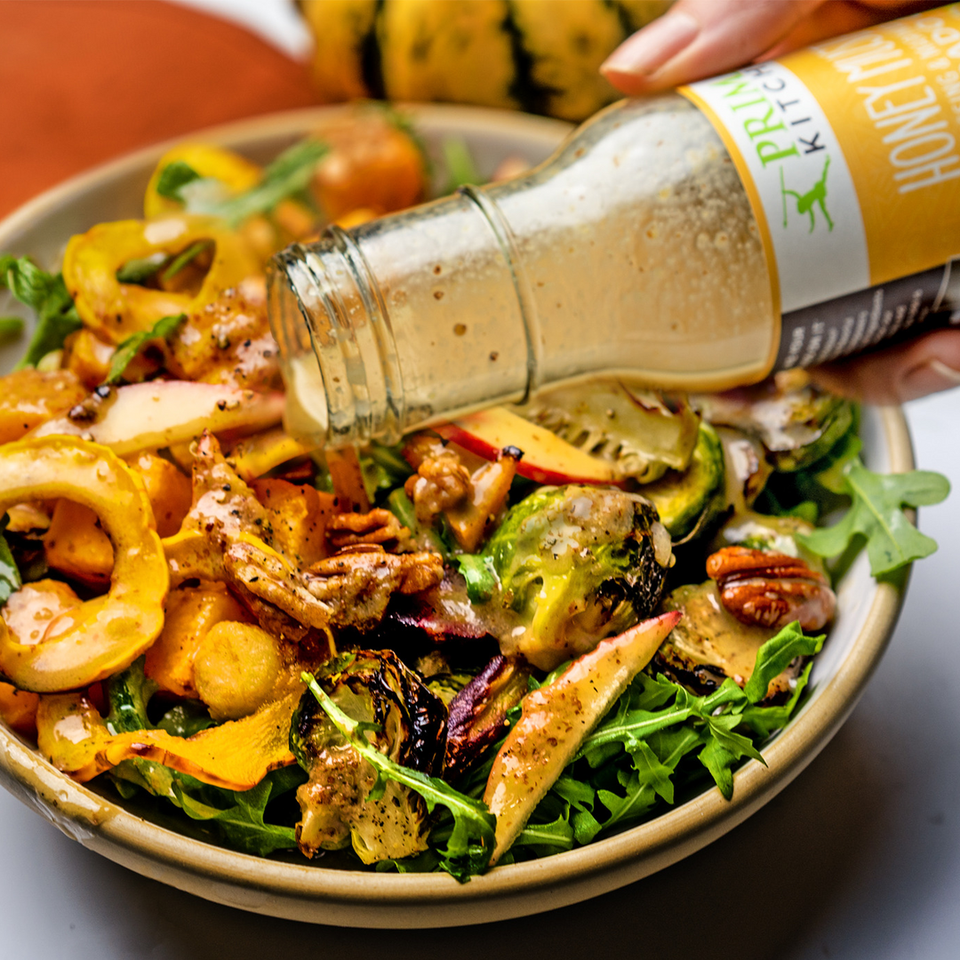
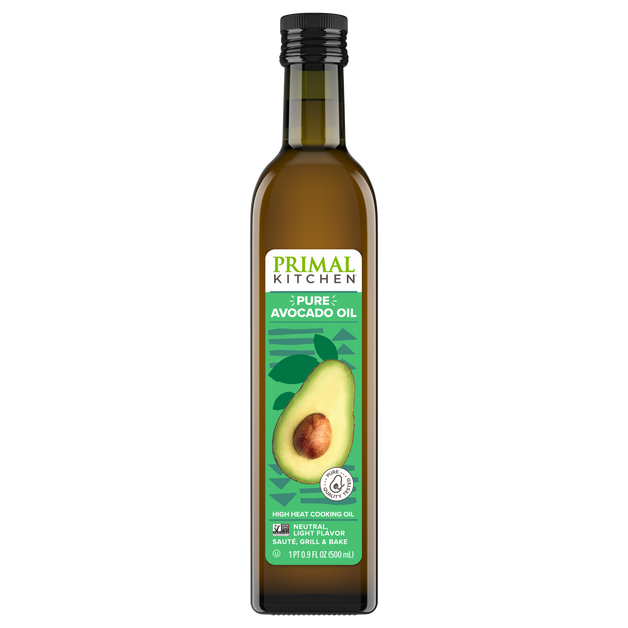
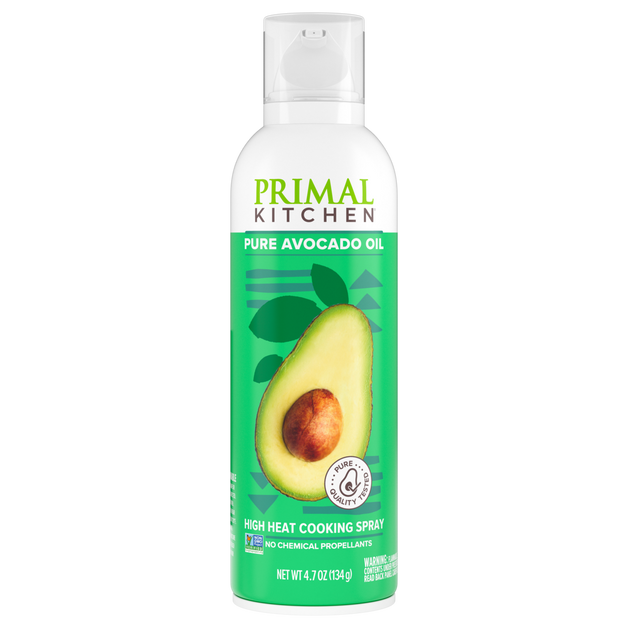
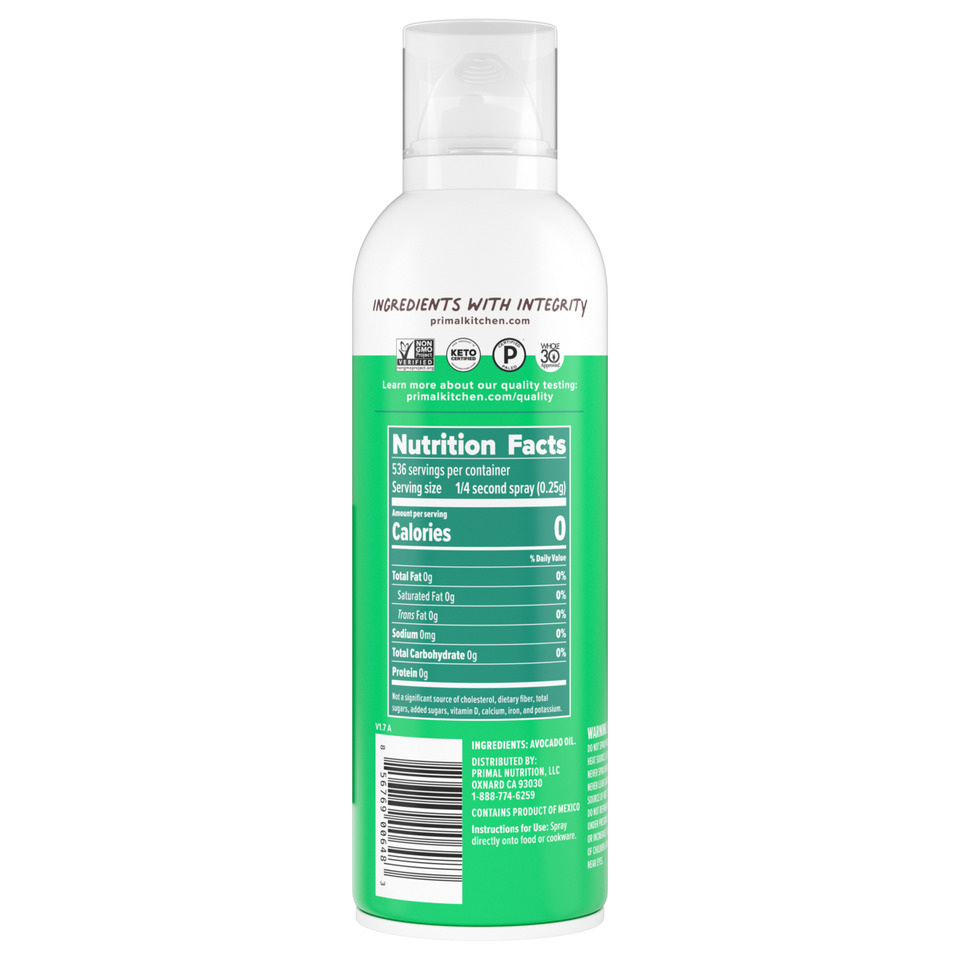
Avocado oil is at the heart of many of our fan-favorite condiments, dressings, and sauces. Primal Kitchen was founded on a commitment to real food made with high-quality ingredients. But what makes a high-quality avocado oil, and what can impact its quality and purity?
We're breaking down some of the most common questions about avocado oil, from how it's made and tested to what you should know when choosing one.

Avocado Oil FAQ
Q: Is there an industry standard for purity?
Avocado oil can vary based on factors such as origin, varietal, growing seasons and processing method. These differences can affect fatty acid and sterol profiles, which is why the industry continues to study how testing methods and standards can better account for that natural variability.
Q: How can consumers know if avocado oil is pure?
A: Purity is about ensuring the product contains what the label says. At Primal Kitchen, every lot of avocado oil we use is backed by a supplier certificate of analysis confirming its authenticity, and we require independent third-party laboratory testing to verify those certificates.
Q: What should consumers look for when choosing an avocado oil?
A: Look for a reputable brand with transparent sourcing and strong quality standards. Packaging that protects the oil from light and clear information about the product can also be helpful. Ultimately, consumers should feel confident that the company stands behind the authenticity and quality of its oil.
Q: Is avocado oil sometimes mixed with other oils?
A: Adulteration—the addition of less expensive oils to avocado oil—is an important quality concern in the category. That’s why we take robust supplier standards, testing, and ongoing quality monitoring so seriously.
Q: Does where the avocados come from affect the oil composition?
A: Yes, origin, varietal, growing seasons, and more can influence characteristics such as flavor, composition, and color. These regional and growing differences can lead to variance in fatty acids and sterol profiles of the oil. However, country of origin alone doesn’t determine whether an avocado oil is high or low quality. Production practices and quality controls matter as well.
Q: How do you test avocado oil for quality?
A: Tests measure characteristics including chemical composition, oxidation, freshness, and other markers that help verify the oil meets established specifications. Every lot of avocado oil used by Primal Kitchen is backed by a supplier certificate of analysis confirming its authenticity, as well as independent third-party laboratory testing to verify those certificates.
Q: Why does freshness matter for avocado oil?
A: Like other edible oils, avocado oil can oxidize over time. Protecting the oil from excessive heat, light, oxygen, and improper storage helps maintain its quality and sensory characteristics.
A Note from Primal Kitchen
To Our Primal Kitchen Community:
We’ve built our brand on the promise of our ingredients and are proud of our products.
A recent UC Davis study raised questions about the purity of avocado oil in certain foods across the industry, including some Primal Kitchen products. We take these questions very seriously.
The study itself notes that pure avocado oil composition varies based on a variety of factors, including type of avocado, where and how it’s grown, and the ripeness of the fruit. The system of specifications used in this study, CODEX, uses a specific range of fatty acid and sterol profiles to define avocado oil, but pure avocado oil can and does fall outside these ranges.
We source our avocado oil from trusted suppliers who confirm the oil’s integrity through independent, third-party laboratory testing. We are confident in our ingredients but continuously review our supply chain. As we take further steps to do so, we’ll share what we learn and bring you along for the journey, just as we have since the brand first started.
We value the trust you place in our brand and appreciate your loyalty to Primal Kitchen.